

Hell Architect: Survivors

(2025)
Hell Architect: Survivors is a darkly ironic action roguelite set in Dante’s Hell, where sin is power. Play as a demon architect hell-bent on overthrowing Lucifer, rebuilding the underworld, and unleashing forbidden powers with an unholy arsenal.
“This was a small game, developed quickly by a very small team. As a result, I had to take on multiple roles, which allowed me to gain hands-on experience across various aspects of development – not just design and programming, but also graphics, task coordination and mobile development.”
Circles of Hell
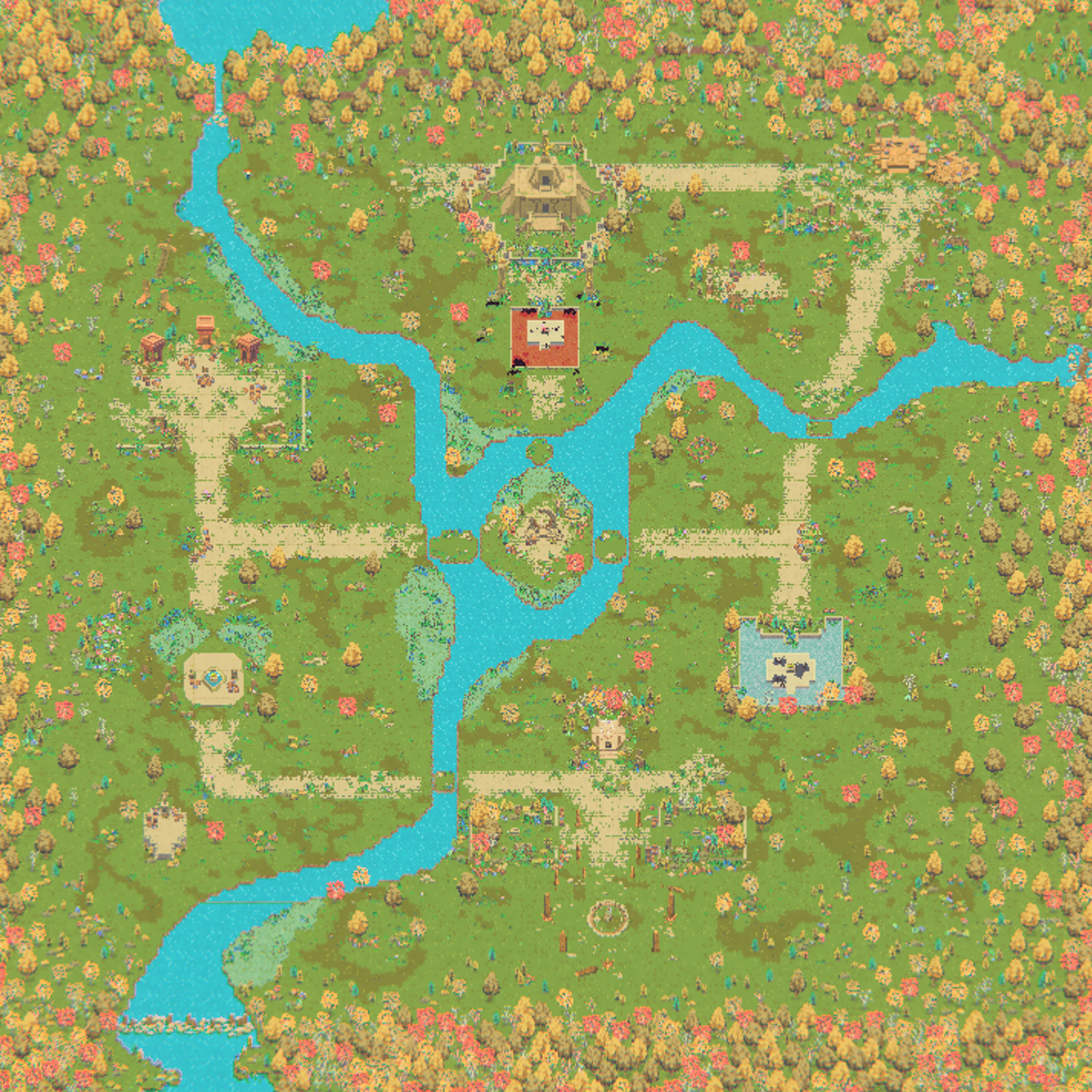
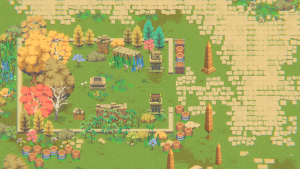
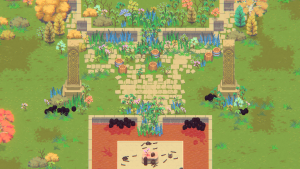
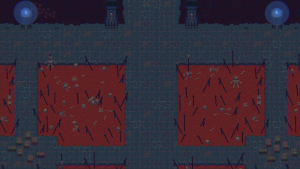
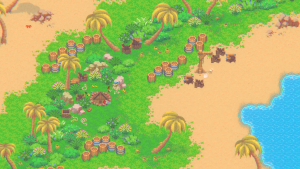
Ancient Ruins – The Circle of Lust
An ancient ruin resembling the Garden of Eden, where souls are lured by the ghosts of their former lovers.
Forever out of reach, their apparitions remain untouchable and unattainable.
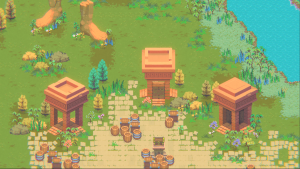
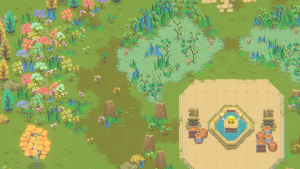
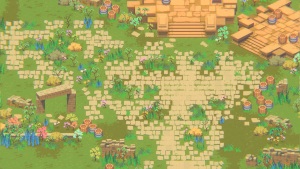
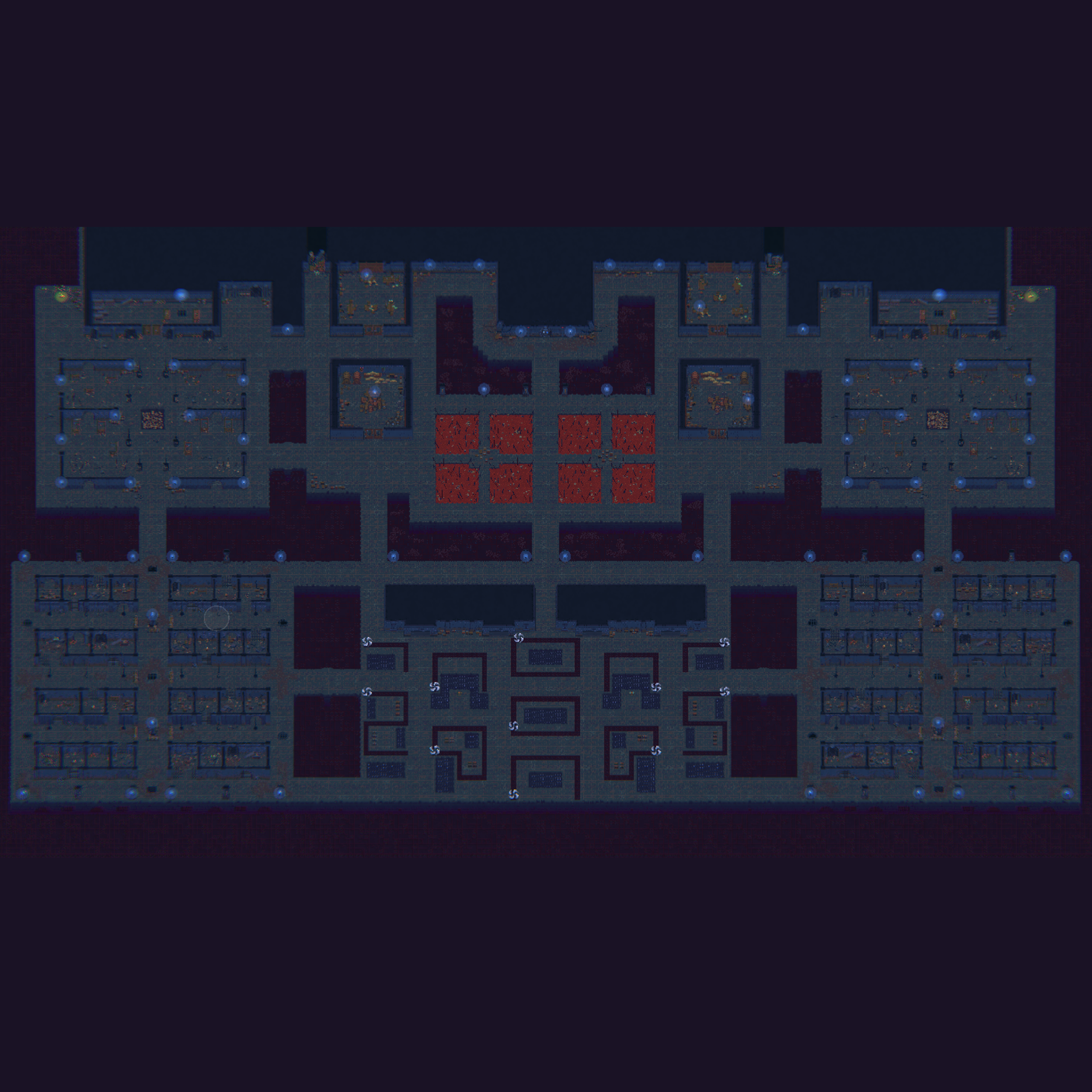
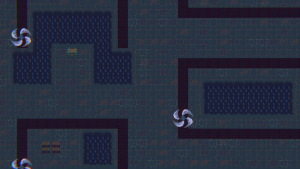
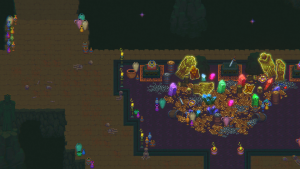
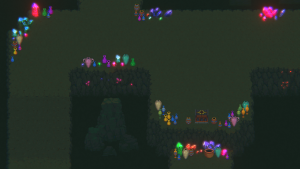
Torture Chambers – The Circle of Greed
Those who spent their lives longing to possess more are now condemned to have nothing: no light, no clothing, no comfort…
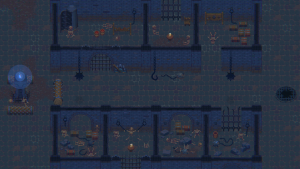
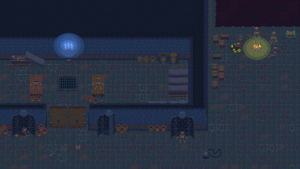
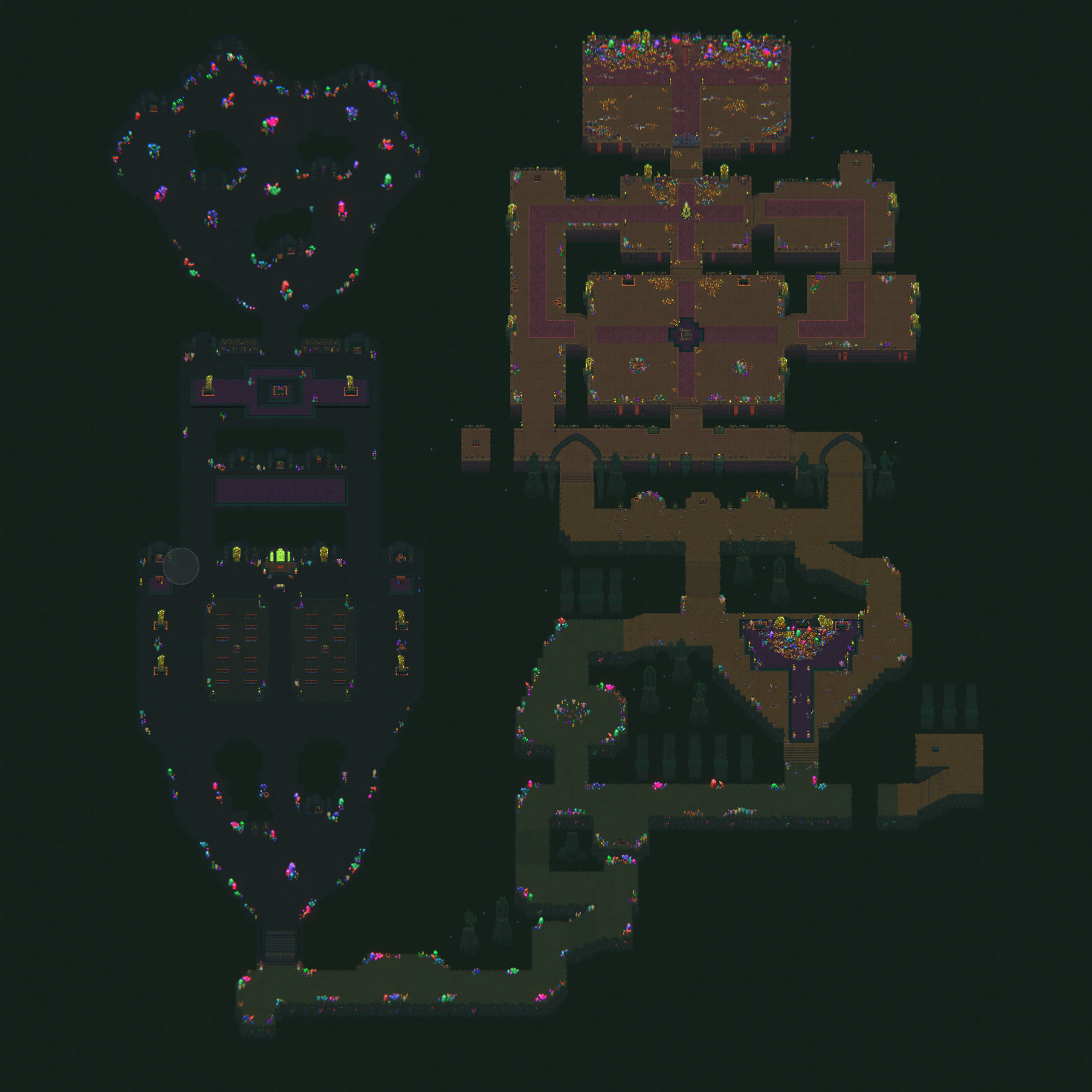
The King’s Palace – The Circle of Envy
Forever trapped within the King’s Palace, surrounded by everything they have ever desired… and nothing more.
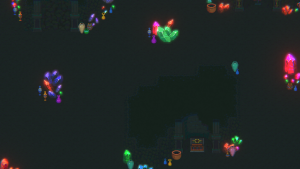
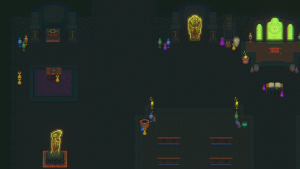
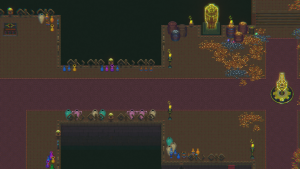
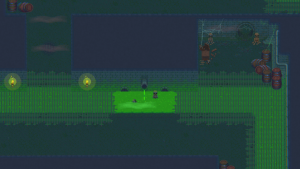
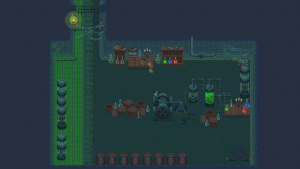
Radioactive Sewers – The Circle of Arrogance
The creatures born from their insatiable thirst for knowledge have turned against them. Now, they hunt them down, seeking to kill their creators.
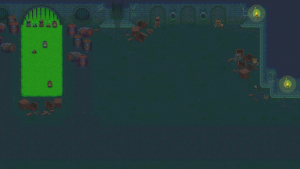
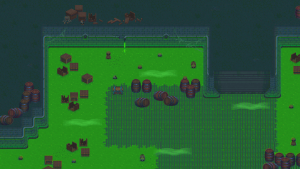
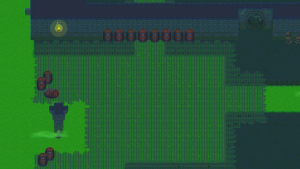
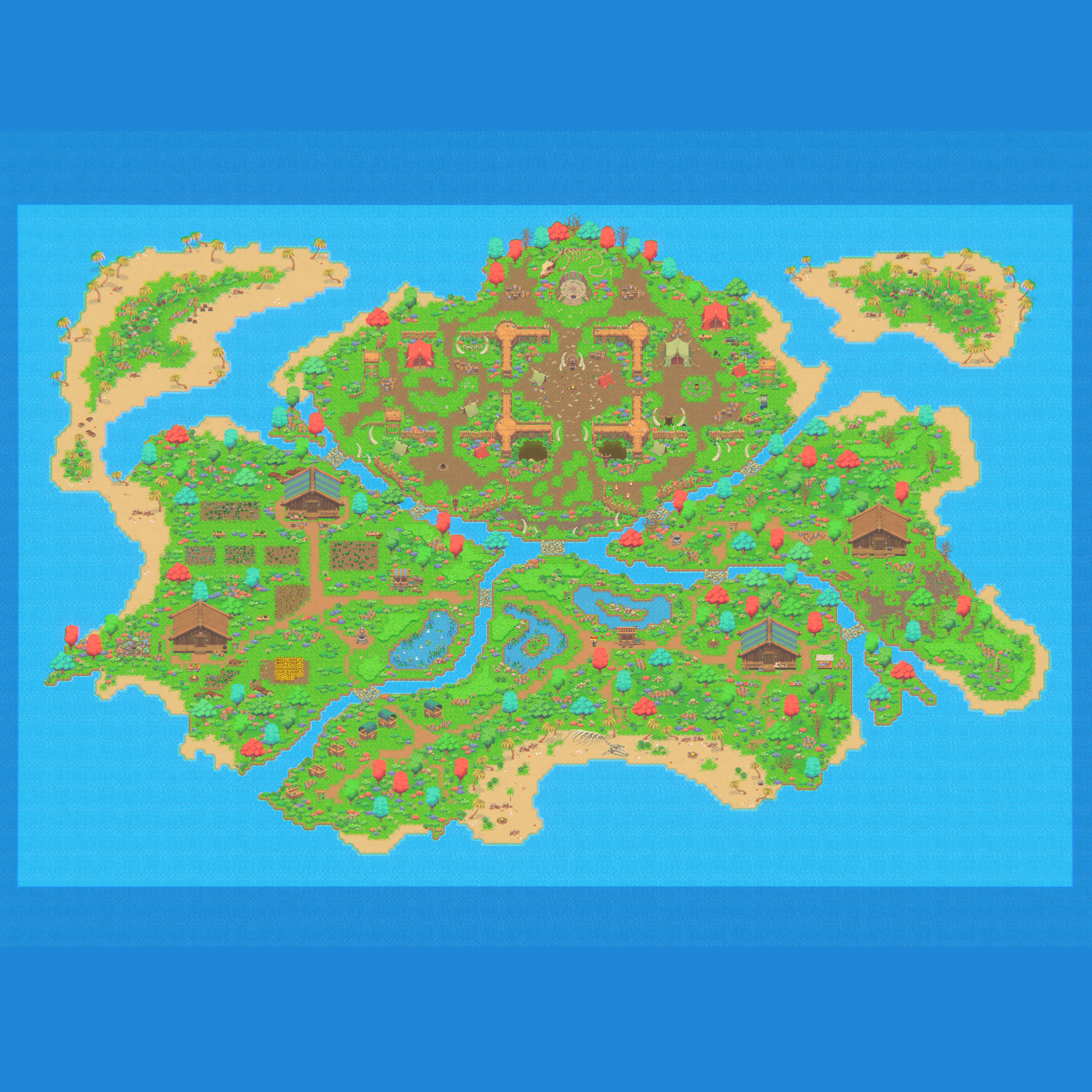
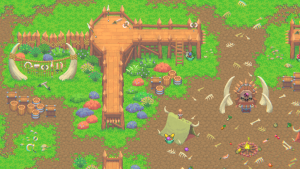
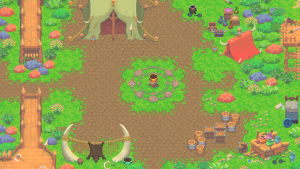
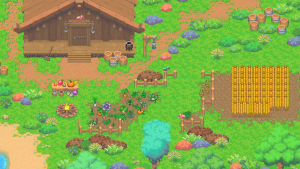
Shaman Tribe – The Circle of Pride
Throughout their lives, they believed themselves superior to everyone else. Now, they are imprisoned and tormented by a cannibal tribe.
Those they once considered inferior are now in control of their fate.
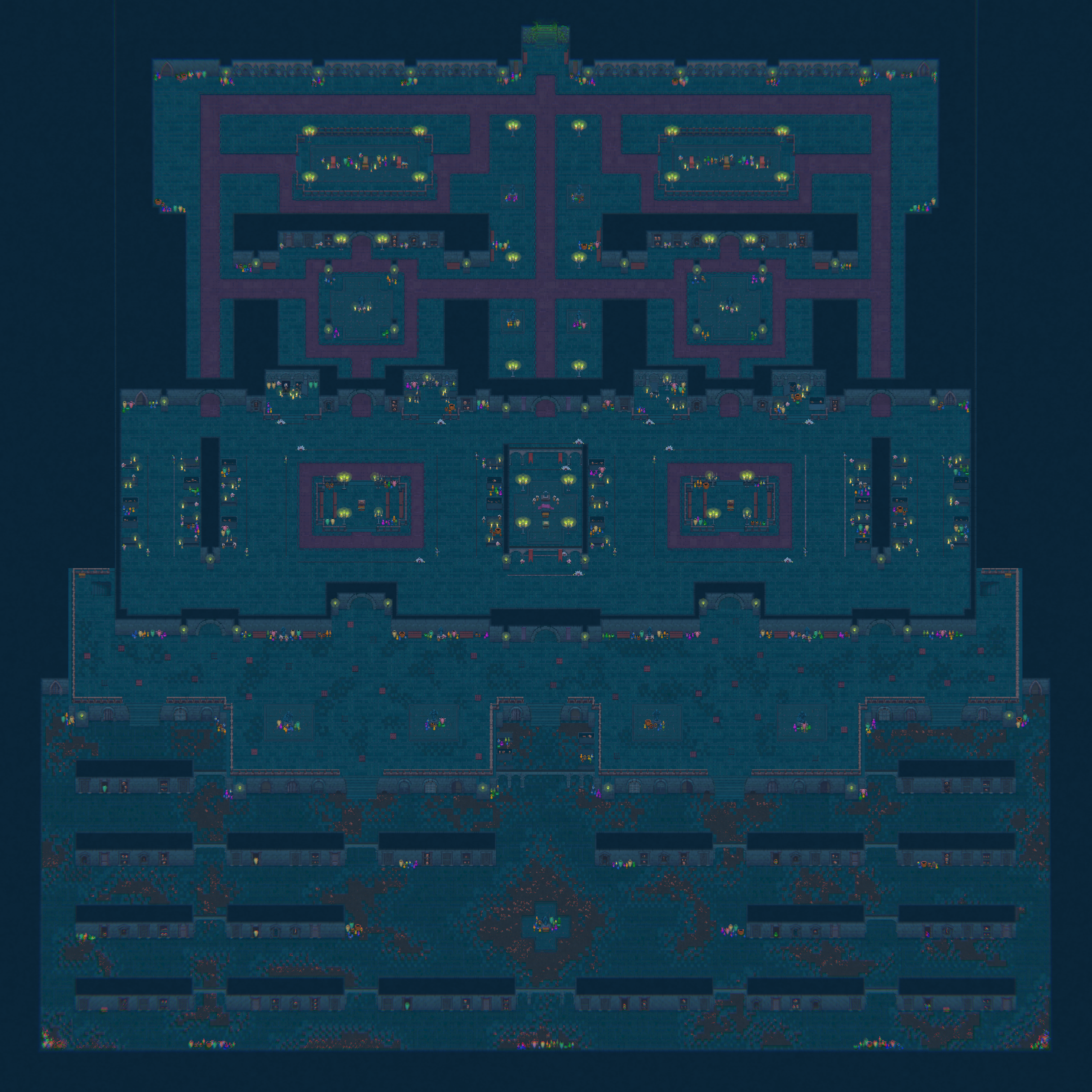
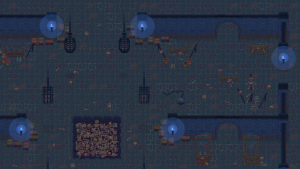
Dark Crypt – The Circle of Sloth
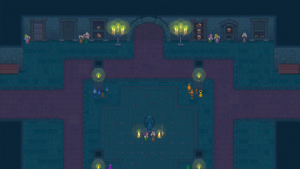
Bored with the lives they once led, they now wander alone through the darkness, deprived of any pleasure: no one to talk to, nothing to see.
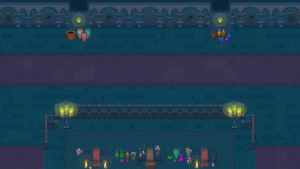
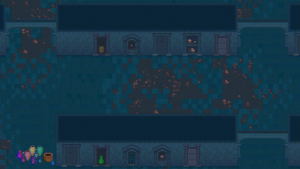
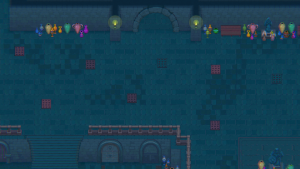
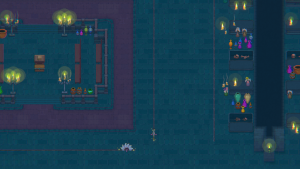
Level design process
1. Asset Review & Concept Development
Reviewed the available asset library to identify its possibilities and limitations. Used these resources as a starting point to explore level concepts, environmental themes and initial layout ideas through sketches.
2. Layout Development & Iteration
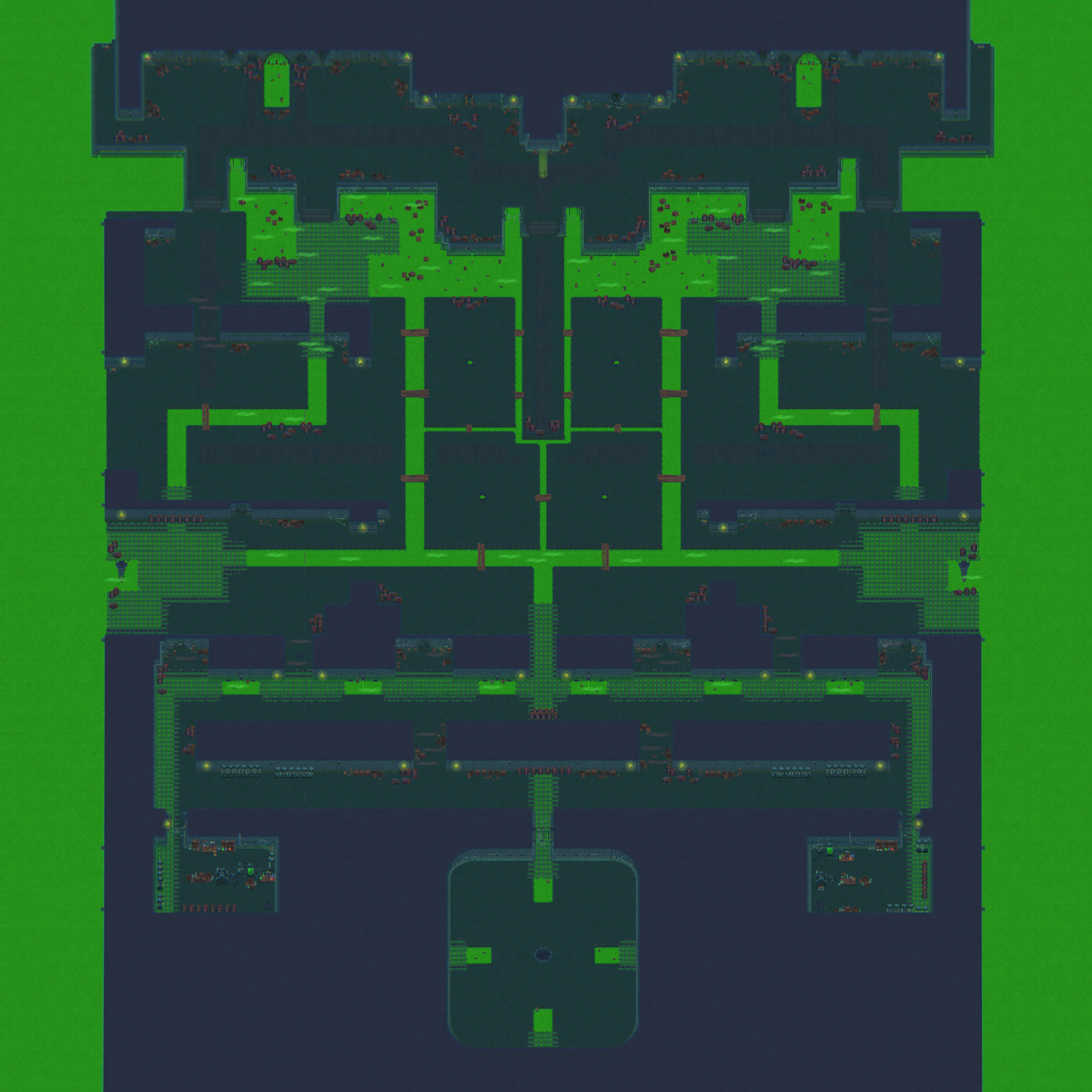
Translated the initial sketches into Unity Tilemap, using it as the primary tool to develop and refine level layouts. Its flexibility enabled rapid test-and-adjust cycles, allowing ideas to evolve through hands-on experimentation directly in the game environment.
3. Level Dressing
Built up the visual identity of each environment through asset placement and environmental detailing, creating distinct atmospheres across the different biomes.
4. Gameplay Elements Implementation
Implemented interactive level elements, including traps, breakables and loot chests, setting up their colliders, behaviours and gameplay interactions.
5. Playtesting & Refinement
Tested and refined the levels, evaluating player navigation, enemy distribution, encounter flow and interactions with the environment.
Boss AI & Combat Design
The Boss AI was implemented using a State Machine. The boss features a basic attack that evolves throughout the fight, which is structured into three phases. With each phase transition, the attack’s range increases, progressively expanding its area of effect. A secondary attack is also triggered at random intervals, adding unpredictability to the encounter.